What Fibre Content Actually Tells You About a Garment
The fibre content label is the most useful sentence on any garment and the one most people skip. It predicts how a piece will feel, how it will drape, how warm it will be and how it will age — before you have worn it once.
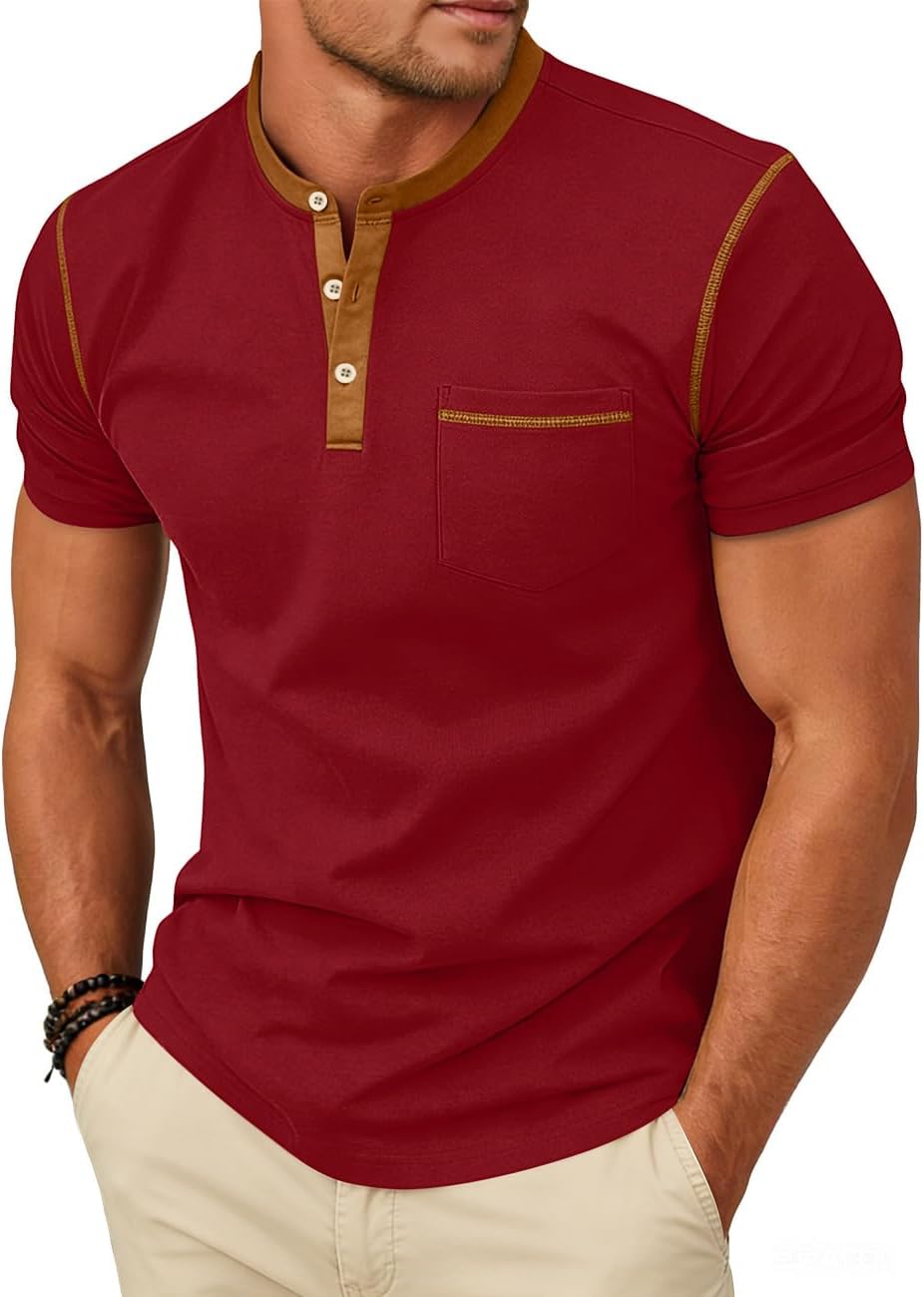
Cotton: breathable, absorbent, creases
Cotton is comfortable against skin, takes dye well and breathes, which is why it dominates tees and sweatshirts. It also absorbs moisture and holds it, so a cotton base layer will feel damp longer than a synthetic one.
It creases readily and it relaxes with wear, then returns to shape in the wash. A 100 percent cotton piece is a safe choice for anything worn against the skin and a poor one for anything you need to look sharp after eight hours.
Polyester and blends: shape retention and speed
Polyester holds its dimensions, dries quickly and resists creasing. On its own it can feel less breathable, which is why it appears most often as a blend — a cotton-polyester sweatshirt keeps the hand feel of cotton with far better shape retention.
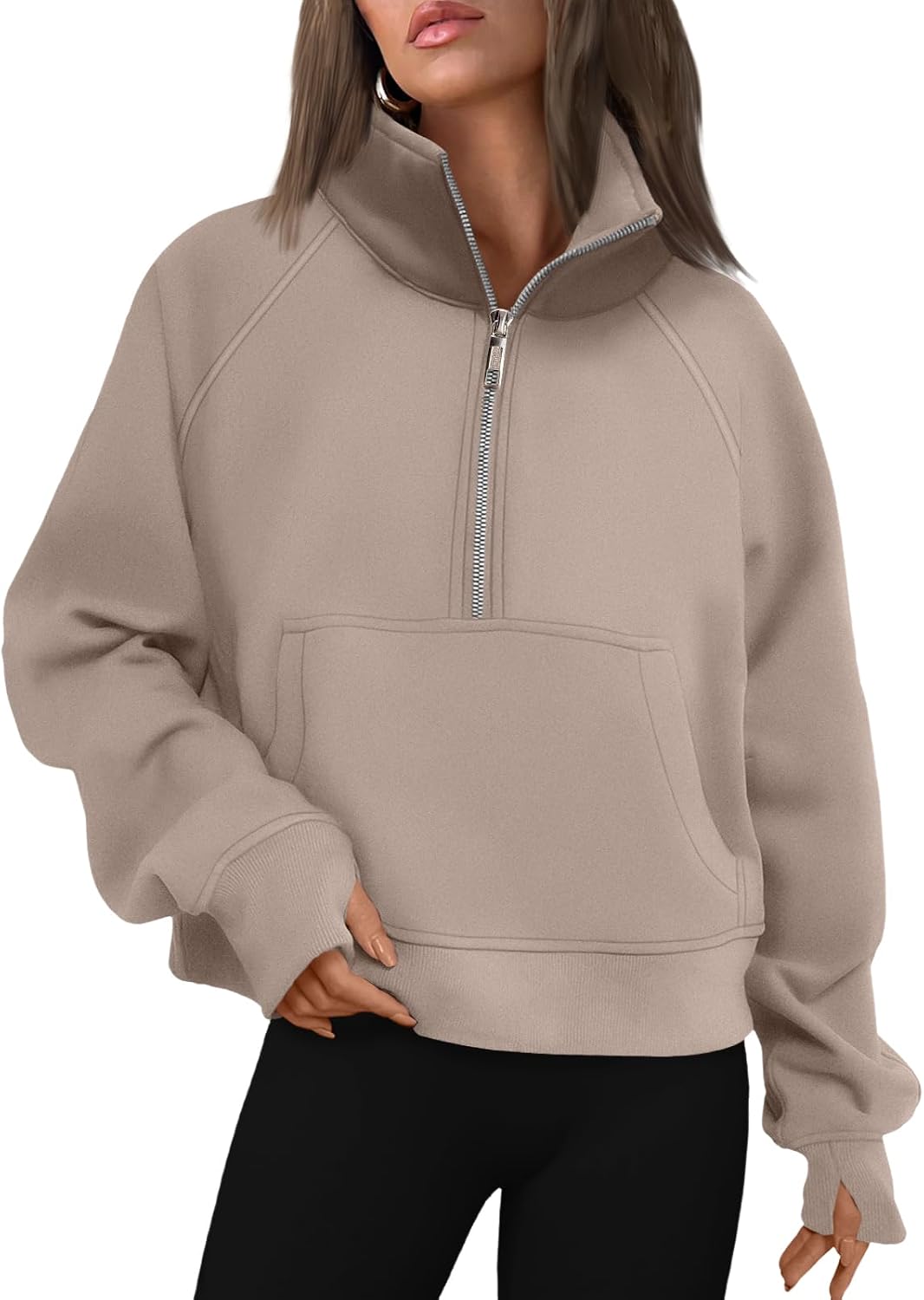
Fleece pullovers are usually polyester for exactly this reason. The fibre can be brushed into a pile that traps air without adding weight, and it recovers its loft after washing.
Viscose, rayon and modal: drape at a cost
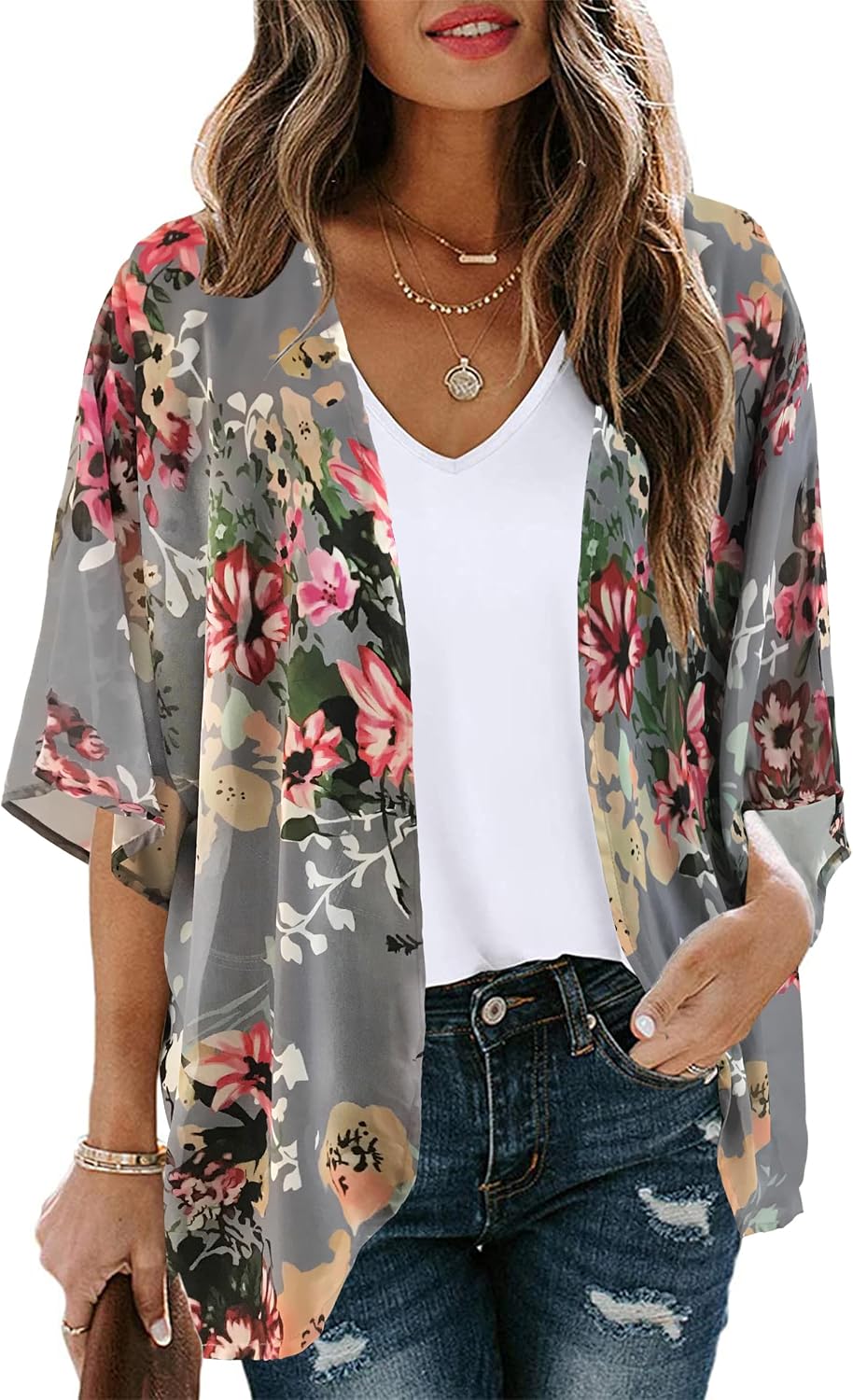
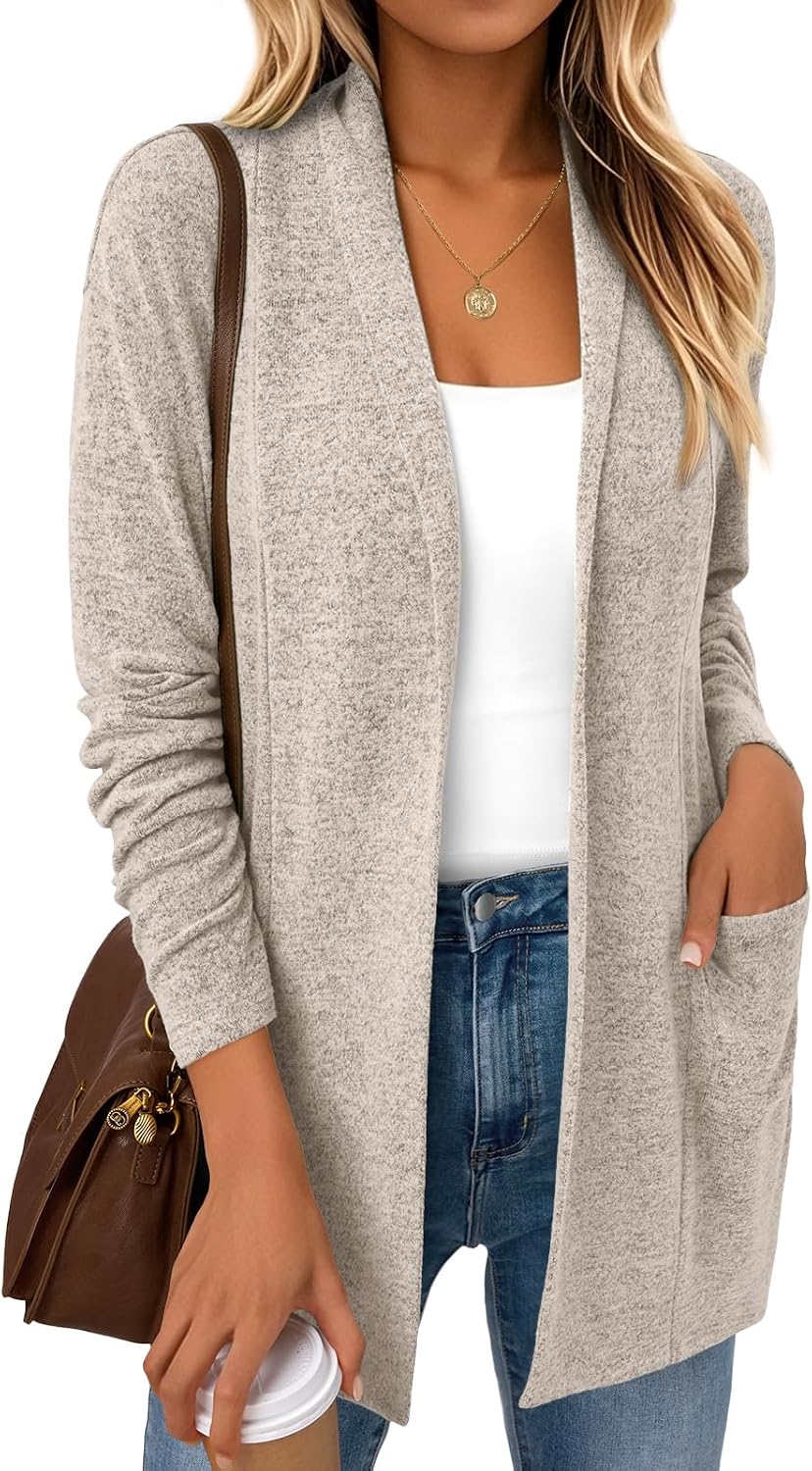
These are regenerated cellulose fibres. They drape beautifully, feel cool and smooth, and give a fluid line that cotton cannot. That is why they appear in tunic dresses and softer cardigans.
The trade-off is strength when wet. Viscose loses a significant share of its tensile strength in water, which is why so many viscose pieces specify hand wash or a gentle cycle. Treated well they last; wrung out hard they distort.
Acrylic: warmth without weight, and pilling
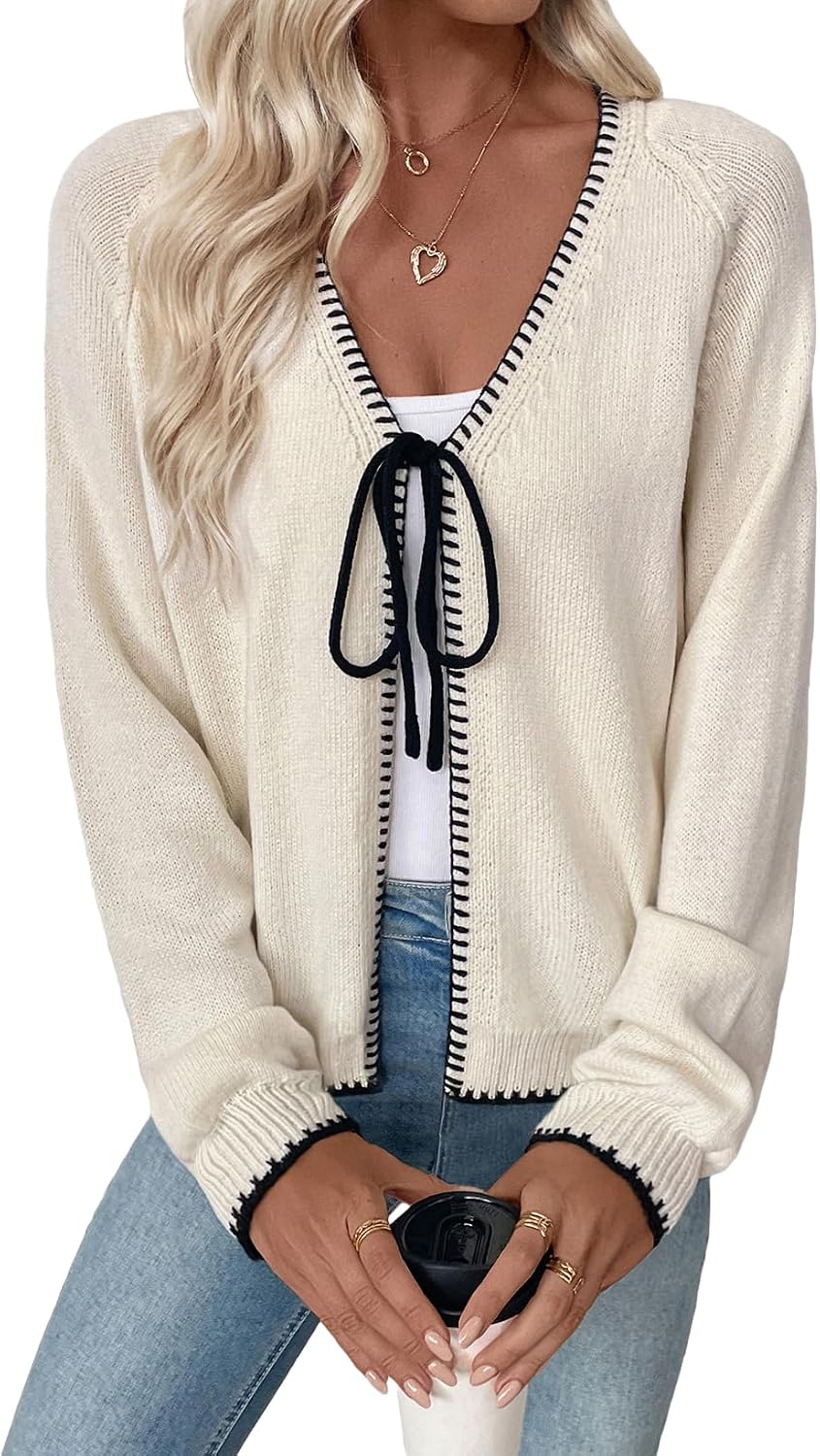
Acrylic is the workhorse of affordable knitwear. It is warm, light, holds colour brilliantly and costs a fraction of wool. It also pills more readily than most fibres, particularly in the first few wears.
A fabric comb handles that, and after the initial shedding an acrylic knit is usually stable. Where a knit is described as lightweight and vivid in colour, acrylic or an acrylic blend is very often why.
Elastane: the small percentage that changes everything
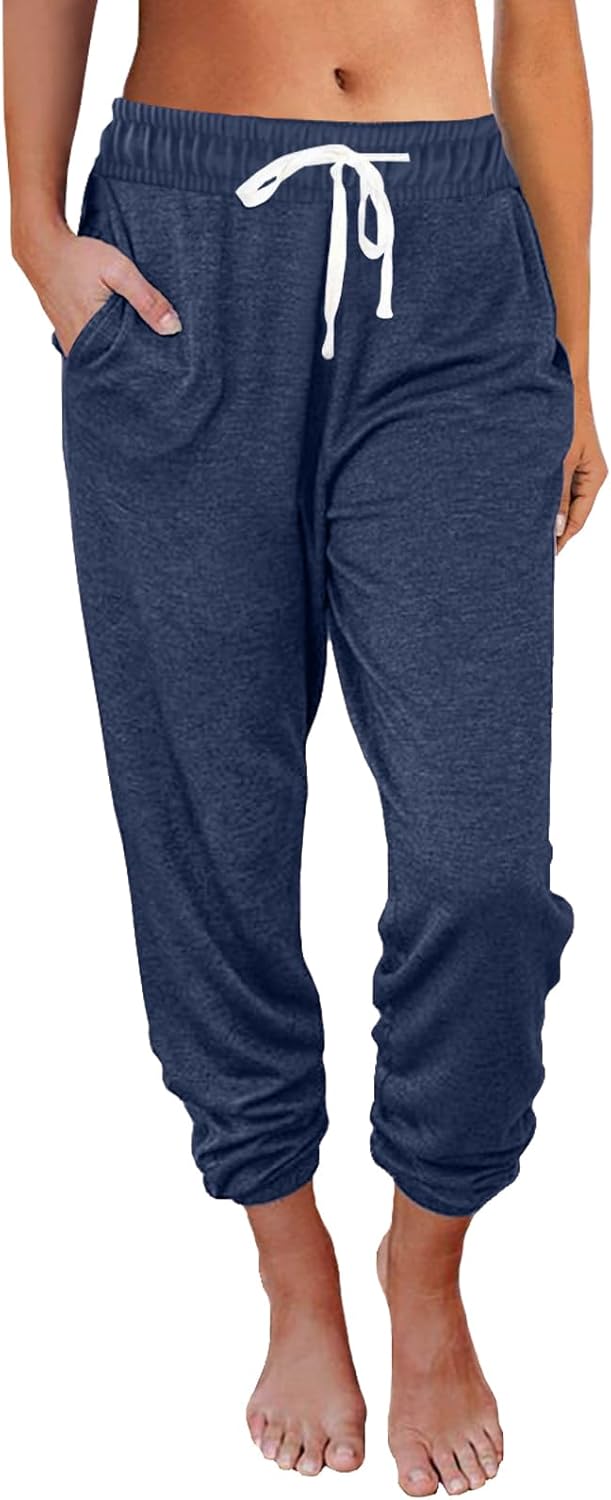
Two to five percent elastane in a blend is what gives a garment recovery — the ability to stretch and return rather than stretch and stay. In lounge pants and joggers it is the difference between a waistband that lasts and one that gives up.
It also means heat is the enemy. Elastane degrades in high heat, so a hot tumble dry will shorten the life of a stretch garment considerably even when the rest of the blend would survive it.
Reading a blend as a prediction
A 60 percent cotton, 40 percent polyester sweatshirt: comfortable, holds shape, dries reasonably fast, will not crease badly. A 95 percent viscose, 5 percent elastane tunic: fluid drape, cool to wear, wash gently, dry flat.
Once you read the blend as behaviour rather than as a list, the label answers most of the questions you would otherwise have to ask.
Wool and wool blends: what changes
Where wool appears in a blend it brings warmth for its weight, natural odour resistance and elasticity that synthetics imitate but do not match. It also brings a care requirement: most wool needs cool water, gentle agitation and flat drying, because heat plus movement is what felts the fibre.
A small percentage of wool in an acrylic blend improves the hand feel and warmth noticeably without adding the full care burden. A high-wool piece is a genuine investment garment and should be treated as one.
Why the same blend can feel different
Fibre content does not describe yarn construction, and construction is why two 100 percent cotton tees can feel nothing alike. A combed, long-staple cotton spun tightly produces a smooth, dense fabric; a shorter staple spun loosely produces a softer, fuzzier one that pills sooner.
The same applies to knit structure. A single jersey, an interlock and a rib all made from identical yarn behave differently in weight, stretch and opacity. Fibre content narrows the possibilities; it does not fully determine the result.
Where to go next
Fibre content is listed on every product page here. If a blend is not clear, ask us and we will check the maker's own spec.
Shop Tops & Tees
Related articles