Building a Three-Layer Wardrobe for New York Weather
A New York spring day can move twenty degrees between the morning subway platform and a late afternoon walk. Dressing for the average temperature guarantees you are wrong twice. Dressing in three removable layers means you are comfortable all day.
The base layer does one job
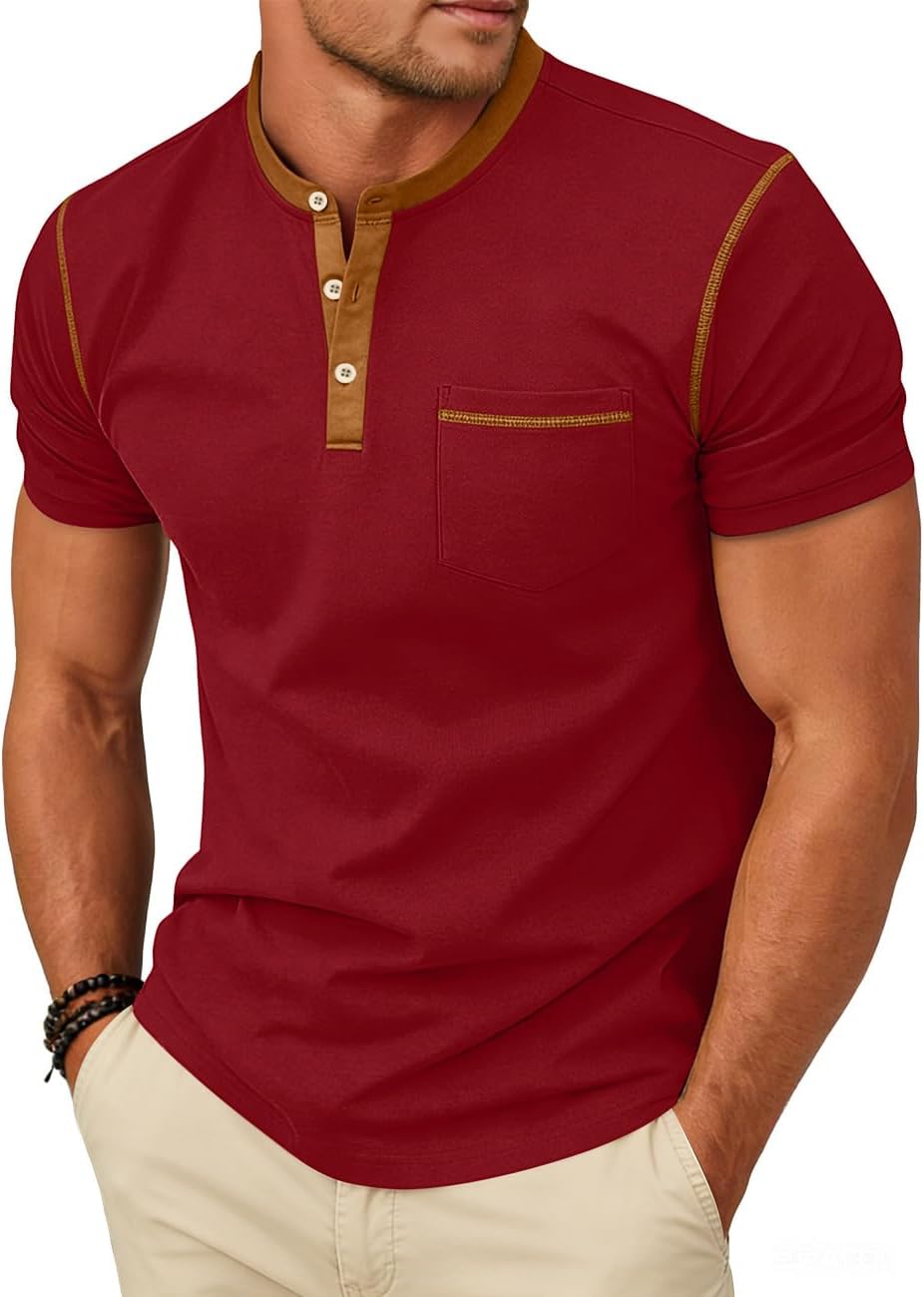
The layer against your skin should manage moisture and nothing else. A short-sleeve tee, a V-neck or a henley in cotton or a cotton blend works because it breathes and it does not hold damp against you on a crowded platform.
Keep it plain and keep it thin. A base layer with bulk defeats everything above it, and a heavy base is the reason people end up carrying their mid layer by eleven in the morning.
The mid layer is where the warmth lives
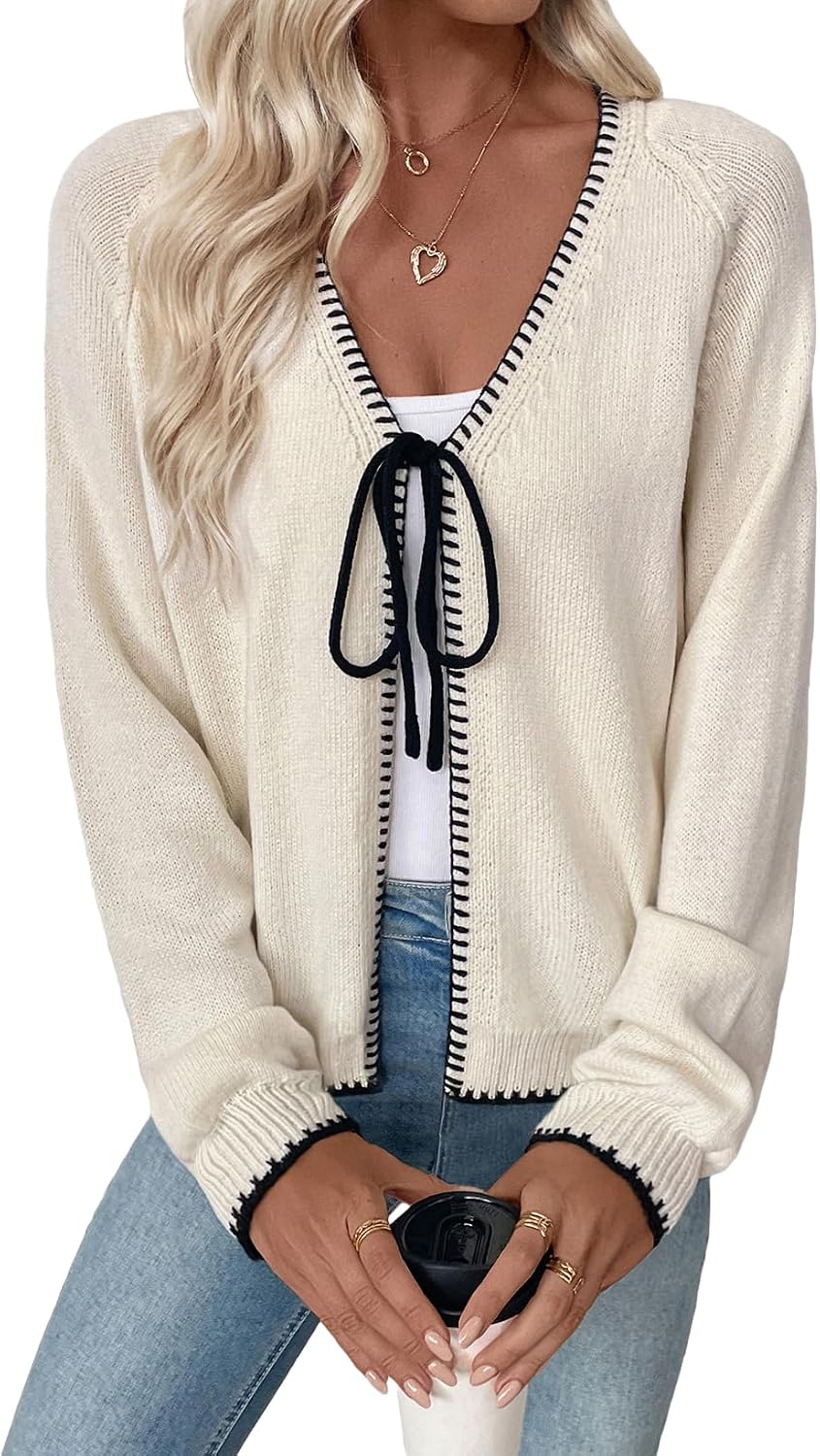
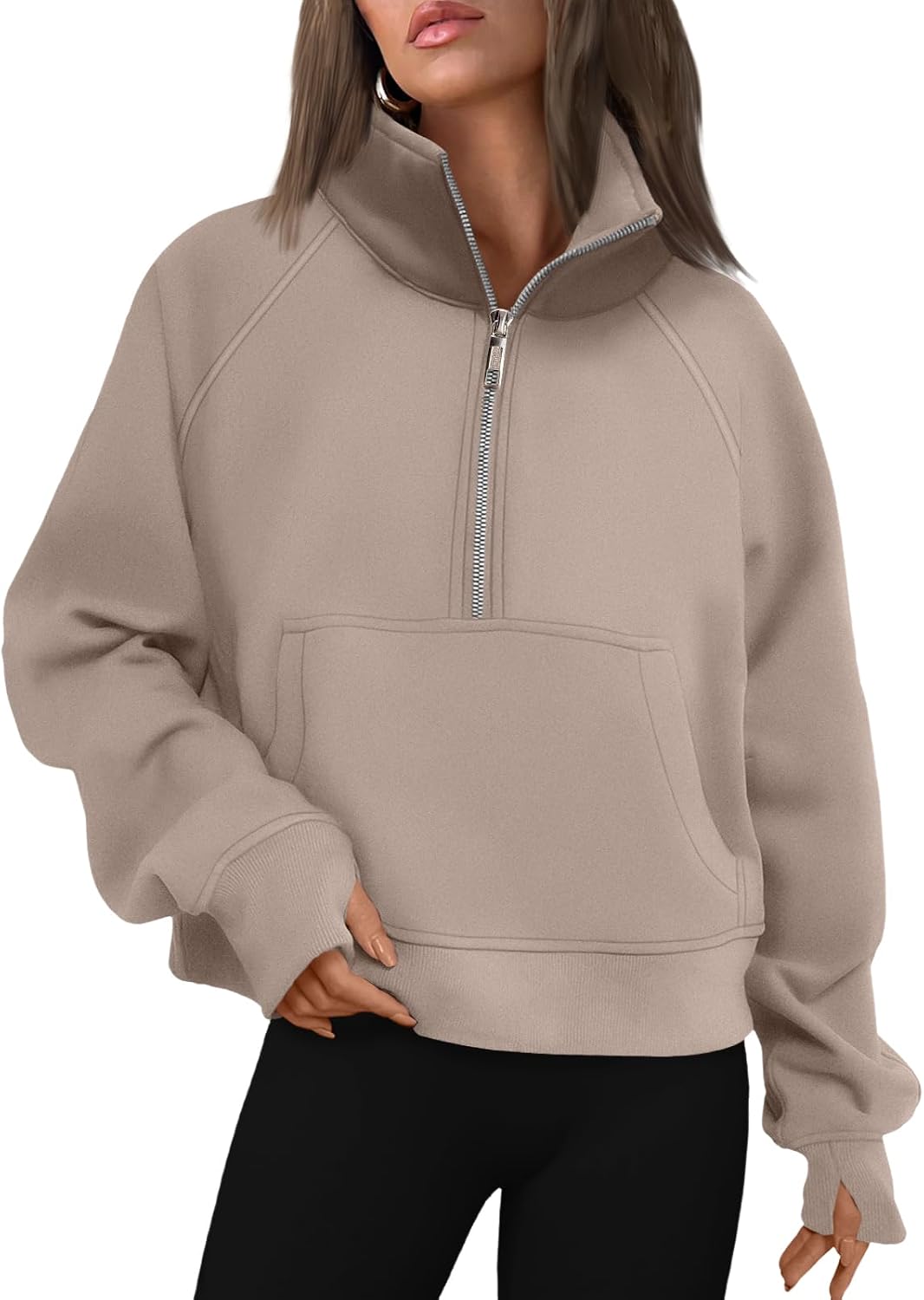
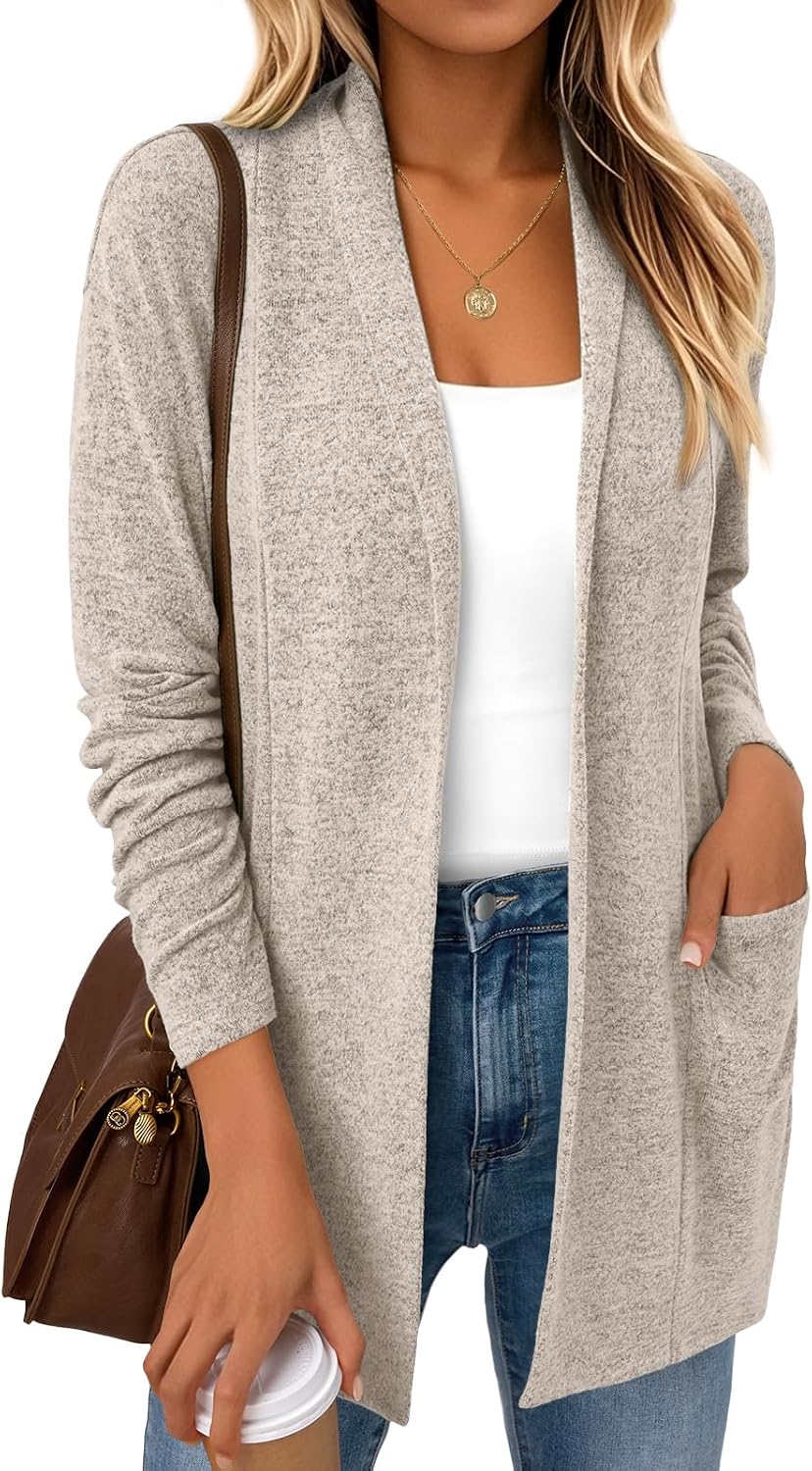
This is the cardigan, the pullover or the half-zip. It is the layer you take on and off, so it needs to be easy to remove without disturbing the rest of the outfit — which is exactly why open-front cardigans and zip pullovers earn their place over crewneck jumpers.
Weight matters more than thickness. A dense, finely knitted mid layer traps more air per inch than a loose chunky one, and it packs down small enough to go in a tote when you do not need it.
The outer layer handles wind, not temperature
In a city with avenues that run straight to the water, wind is the variable that makes 50 degrees feel like 40. An outer layer that blocks wind will do more for your comfort than one that is simply thicker.
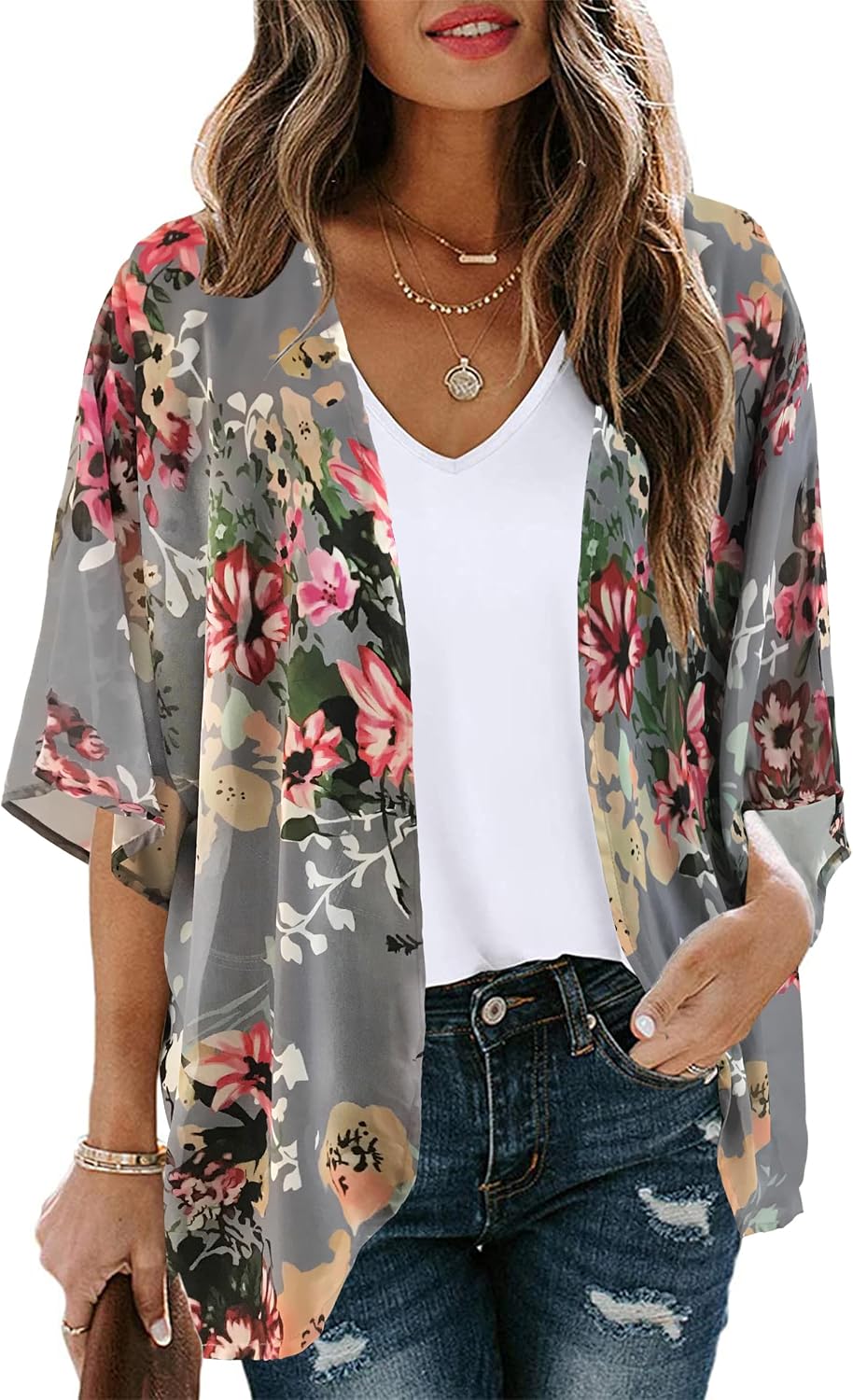
This is where a kimono or a longline open cardigan is doing something different: it is a visual outer layer rather than a functional one, which is the right choice for a mild day when you want the silhouette without the warmth.
Making three layers look deliberate
Layers read as intentional when the lengths differ. A base that finishes at the hip, a mid layer slightly longer, and an outer layer longer again gives a clean stepped line. All three the same length looks bulky no matter what the individual pieces cost.
Colour works the same way. Keep the base and outer close in tone and let the mid layer carry the contrast, or the reverse. Three competing patterns rarely survive daylight.
What to carry and what to wear
The point of layering is that one of the three is usually off your body. Choose a mid layer you are willing to carry: something that folds small, does not crease badly, and does not need a hanger to recover.
A lightweight knit cardigan folds to the size of a paperback. A structured jacket does not. That single practical difference decides whether the system works over a real day.
A worked example
For a 52-degree morning warming to 68: a cotton short-sleeve tee as the base, a lightweight open-front cardigan as the mid, and a longer kimono or shirt jacket over the top. By midday the outer layer is in your bag; by three the cardigan is too.
For a 40-degree day that stays there: swap the base to a long-sleeve henley and the mid to a fleece half-zip. The structure is identical; only the weights change.
Reading a forecast for layering rather than for temperature
The number that decides what you wear is not the daytime high; it is the spread between the overnight low and the afternoon high, plus the wind. A day forecast at 62 degrees with a low of 44 and a 15 mph wind needs all three layers. A day at 62 with a low of 58 and no wind needs two.
Humidity matters in the other direction. In damp air, evaporative cooling slows down, so a mid layer that felt right on a dry 55-degree day will feel heavy on a humid one at the same temperature.
Colour and texture in a layered outfit
Texture carries more weight than colour once you are wearing three pieces. A smooth jersey base under a ribbed knit under a woven kimono reads as considered even in a single colour, because the eye registers the changes in surface.
If you want colour to do the work instead, keep the textures similar and let one layer carry a saturated tone against two neutrals. Both approaches work; using both at once usually does not.
Where to go next
Browse cardigans and kimonos for the mid layer, or tops and tees for the base — both are in stock and ship free over $49.
Shop Cardigans & Kimonos
Related articles