Washing and Storing Knitwear So It Survives More Than One Season
Most knitwear does not wear out. It gets damaged in the wash, stretched on a hanger, or folded away damp. Three habits fix nearly all of it, and none of them take longer than what you are probably doing now.
Read the care label before the first wash, not after
The care label is a legal requirement in the United States and it reflects the fibre blend and the construction. A cotton crewneck sweatshirt and a viscose-blend cardigan look similar on a rail and behave completely differently in water at 40 degrees.
Where a maker specifies hand wash or a cold gentle cycle, that is not caution for its own sake. It usually means the yarn has limited recovery, or the garment has a knitted rib that will lose its spring under agitation.
Cold water and a short cycle solve most problems
Heat is what shrinks natural fibres and what sets creases into synthetics. A cold wash on a short, low-spin cycle removes normal wear soil from knitwear perfectly well, and modern detergents are formulated to work at low temperatures.
Turn the garment inside out first. Pilling is caused by abrasion on the outer surface, so inverting the piece moves that abrasion to the inside where it does not show. For anything with a printed graphic, inverting also protects the print.
Never hang a wet knit
This is the single most damaging habit. A wet knit is heavy, and hanging it puts all of that weight on the shoulder seams, which stretches them permanently. The garment comes off the hanger longer in the body and wider at the neck, and it does not go back.
Dry knitwear flat instead. Lay it on a towel, reshape it gently to its original dimensions while it is damp, and let it dry away from direct heat. A radiator will dry it faster and make it stiffer.
Dealing with pilling without damaging the surface
Pills are short broken fibres that have tangled at the surface. They are normal on soft, loosely spun yarns and they are not a defect. Do not pull them off by hand, which drags longer fibres out of the knit structure and thins the fabric.
Use a fabric comb or a battery pill remover, laying the garment flat and working in one direction with light pressure. Most knits pill hardest in the first few wears and then settle down considerably.
Fold, do not hang, for storage
Hangers are for wovens: shirts, jackets, dresses with structure. Knitwear should be folded and stacked, because a hanger applies constant point load to the shoulders for months at a time.
If you are short on shelf space, fold the piece in half lengthways and then drape it over the bar of a hanger rather than putting the hanger inside the garment. That distributes the weight along the fold instead of the seams.
End-of-season storage
Store knitwear clean. Body oils and invisible food residue are what attract moths, so a jumper put away unwashed is far more vulnerable than one that has been through a cold cycle.
Make sure it is completely dry before it goes into a box or a vacuum bag; even slight residual damp will produce a musty smell that is difficult to remove. Cedar or lavender in the container helps, but cleanliness does the heavy lifting.
Detergent, dosage and why less is more
Knitwear needs less detergent than a full load of towels, and overdosing is a common cause of dull, stiff knits. Excess surfactant is not fully rinsed out on a short cycle, and the residue left in the yarn attracts soil faster on the next wear.
A liquid detergent dissolves more reliably in cold water than a powder. Skip fabric softener on anything containing elastane or on brushed fleece: softener coats the fibre, which reduces the elastic recovery in the first case and flattens the pile in the second.
Spot cleaning instead of a full wash
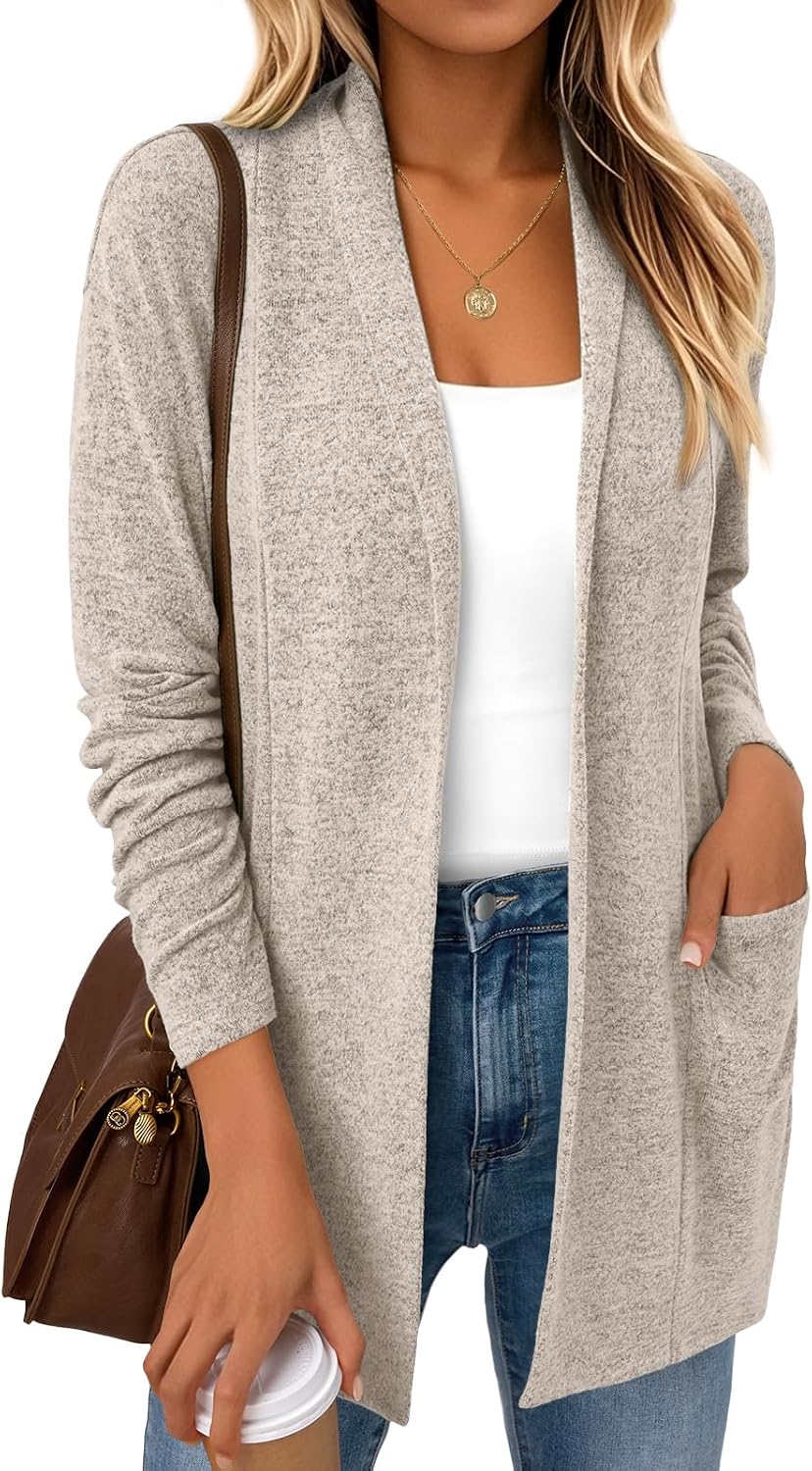
Most knitwear does not need washing after every wear. A cardigan worn over a tee for a few hours has barely touched your skin. Airing it overnight on a flat surface does more for it than a cycle in the machine, and every wash cycle is a small amount of wear.
For a spill, blot rather than rub, work from the outside of the mark inwards to avoid spreading a ring, and use cool water. Hot water sets protein stains such as milk and egg permanently into the fibre.
Where to go next
Cold wash, dry flat, fold to store. Three habits and a knit lasts several seasons instead of one.
Shop Sweatshirts & Pullovers
Related articles