How to Wear a Kimono Cardigan Without It Wearing You
A kimono cardigan is one of the most useful pieces in a warm-weather wardrobe and one of the easiest to get wrong. It is long, it is loose, and it is usually printed — three things that need balancing rather than matching.
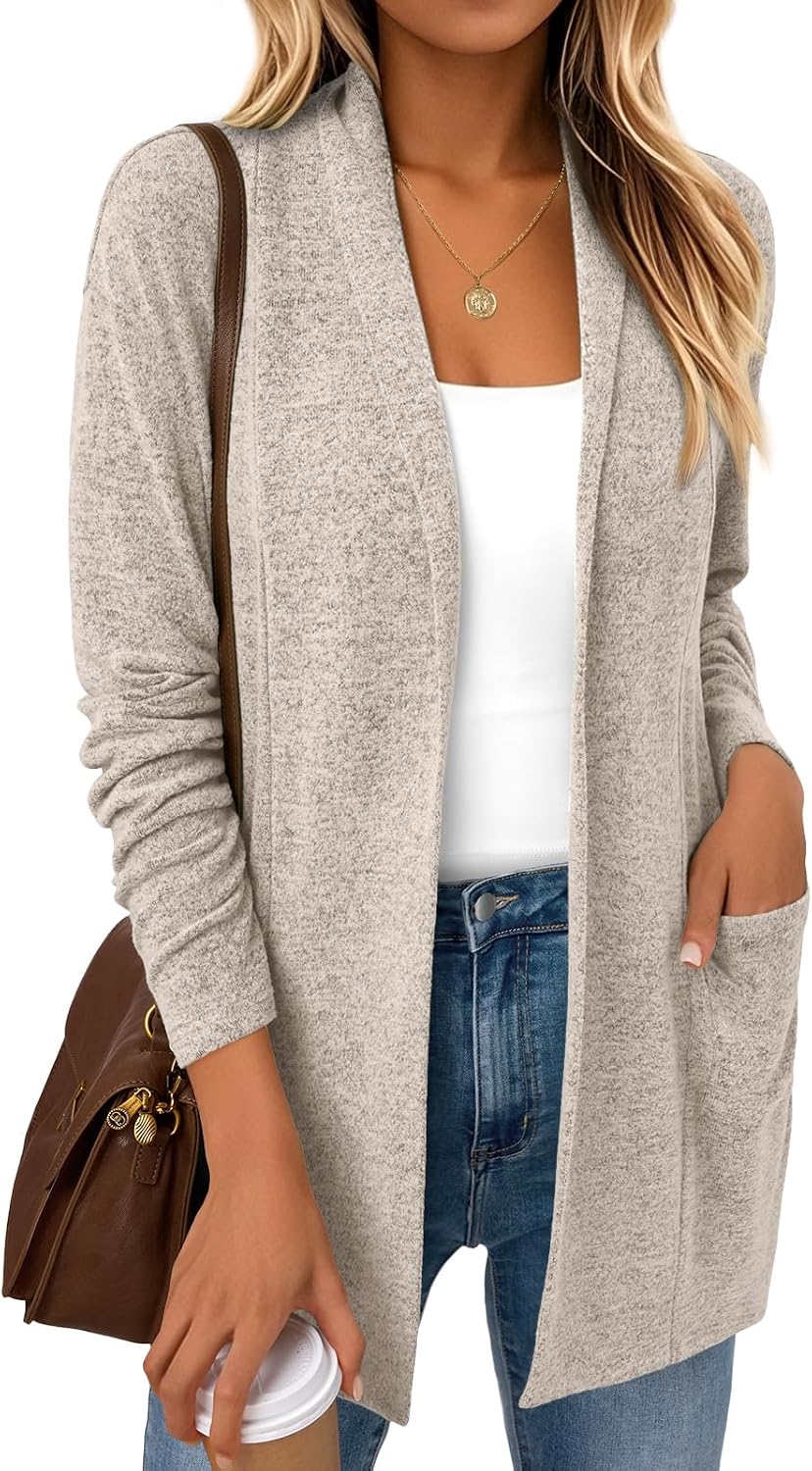
Keep the layer underneath close to the body
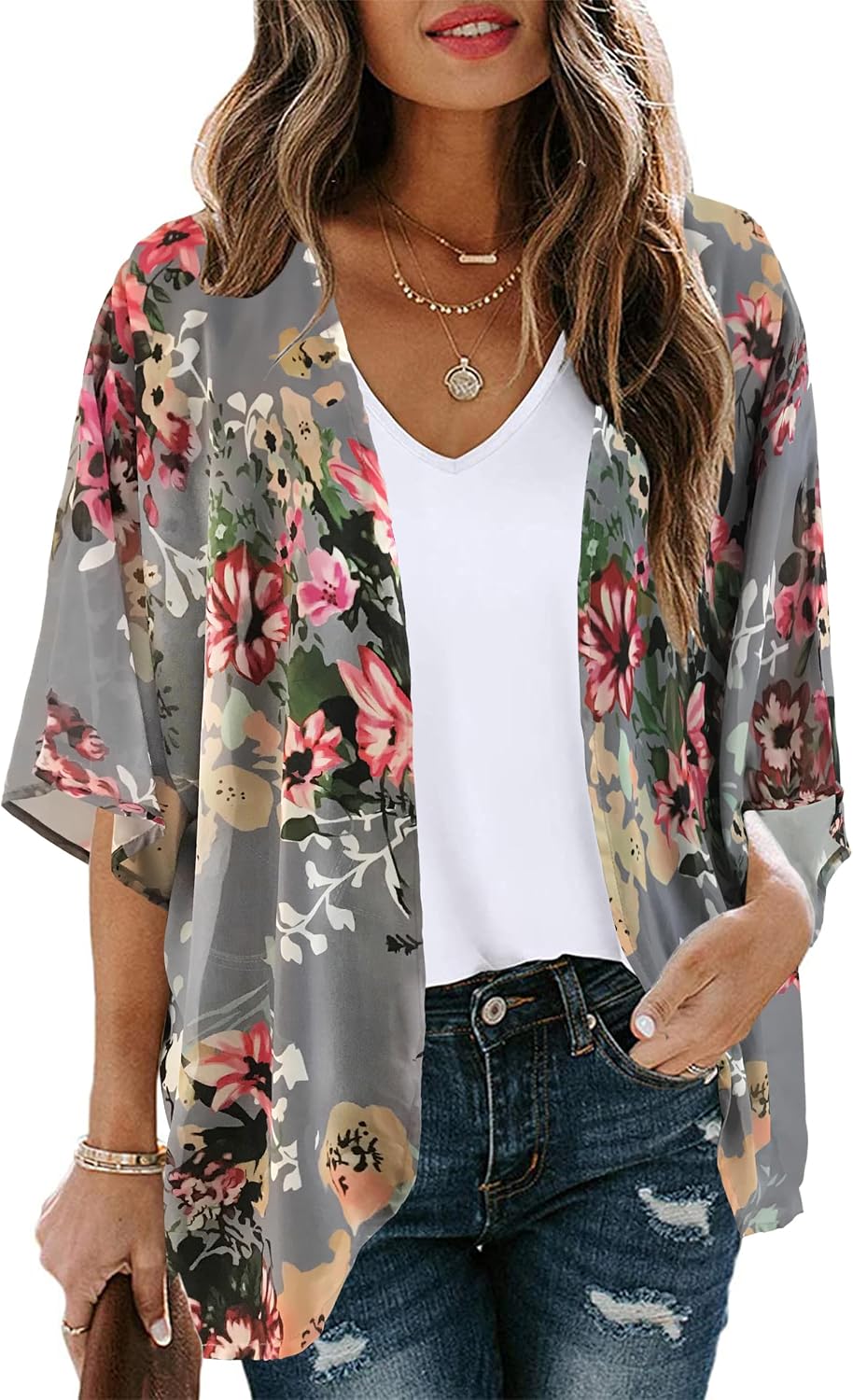
The kimono supplies volume and movement. If what sits underneath also supplies volume, the whole outfit reads as fabric rather than as shape. A fitted tee, a simple vest or a close tank gives the eye a line to follow.
This is the single rule that fixes most kimono outfits. Loose over close works; loose over loose rarely does.
Let the length work for you
A hip-length kimono breaks the body roughly in half, which shortens the leg line. A longline version that finishes at or below the knee creates an unbroken vertical panel on either side of the body and lengthens everything.
If you are choosing between two lengths and want the piece to do visual work rather than just cover your arms, take the longer one.
Print scale against body scale
A large floral or an abstract print at scale is striking on a longer kimono because there is enough fabric for the pattern to resolve. On a short crochet shrug the same print is cut into fragments and reads as noise.
Small repeating prints do the opposite: they work close to the body and turn muddy across a long panel.
Four combinations that hold up
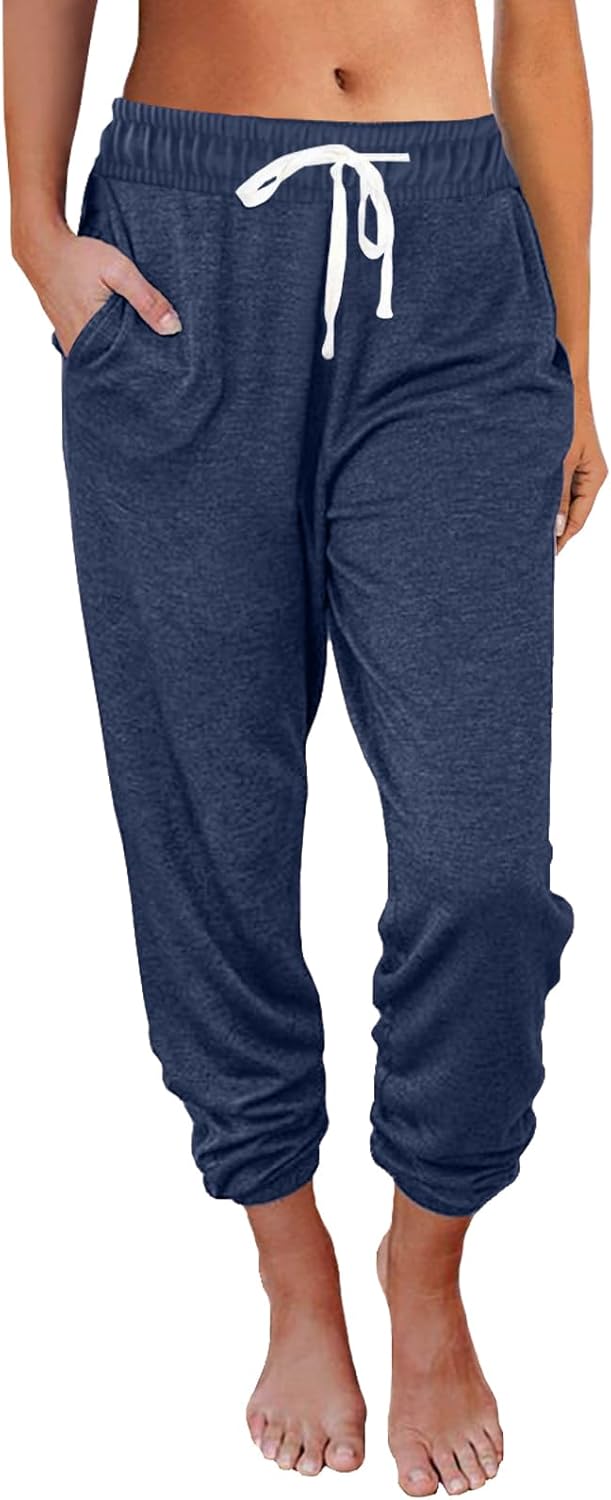
Fitted tee, straight-leg trousers, longline printed kimono. A plain slip dress with an open kimono over it. High-waisted wide-leg lounge pants with a close tank and a hip-length kimono. A simple sheath dress with a sheer mesh or crochet shrug for evening.
In each case there is exactly one loose element and one clear vertical line.
Belting: only sometimes
Belting a kimono at the waist converts it from a layer to a dress and it can work well over a slip, but it kills the vertical line that makes the open version effective. Decide which of the two effects you want before you reach for a belt.
If you do belt it, use a narrow belt in a tone close to the kimono rather than a contrasting statement one, so the eye still reads a single garment.
Fabric weight for the season
Sheer mesh, crochet and open-stitch versions are for genuine heat: they provide coverage from sun and air conditioning without warmth. A woven rayon or brushed knit kimono is a spring and autumn piece.
Buying the wrong weight is why a kimono ends up unworn — not the style, just a mismatch between the fabric and the months you wanted it for.
Sleeve shape changes the whole silhouette
A true kimono sleeve is cut wide and shallow, which gives the fluid drape the style is named for and also adds visible width at the upper arm. A batwing or dolman sleeve extends that further, joining the body low on the torso.
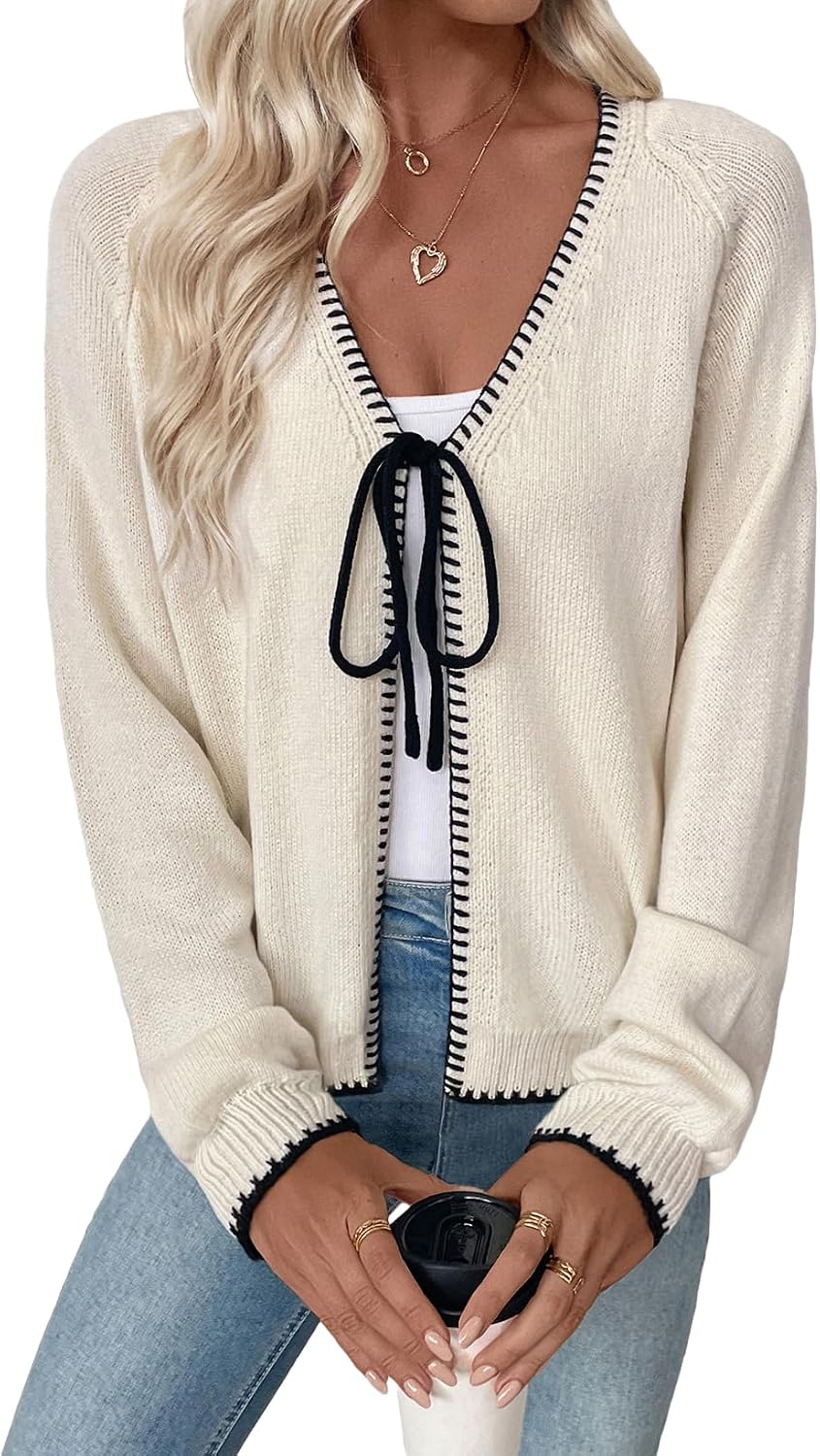
If you want the length and the movement without the width, look for a straight or slightly bell sleeve on a longline open cardigan instead. It reads as the same layer from a distance and sits much closer through the shoulder and arm.
Caring for a printed or sheer kimono
Printed rayon and viscose kimonos are the pieces most often damaged by heat. A hot iron will glaze the print surface and a hot dryer will shrink the panel unevenly, which shows immediately in an open front because the two sides no longer hang level.
Wash cool, hang damp on a padded hanger rather than a wire one, and press on the reverse with a cool iron if needed. Sheer mesh and crochet pieces should be dried flat, since their open structure has almost no recovery when weighted with water.
Where to go next
Kimonos and open-front cardigans are in our Cardigans & Kimonos category, with fabric content listed on every piece.
Shop Cardigans & Kimonos
Related articles