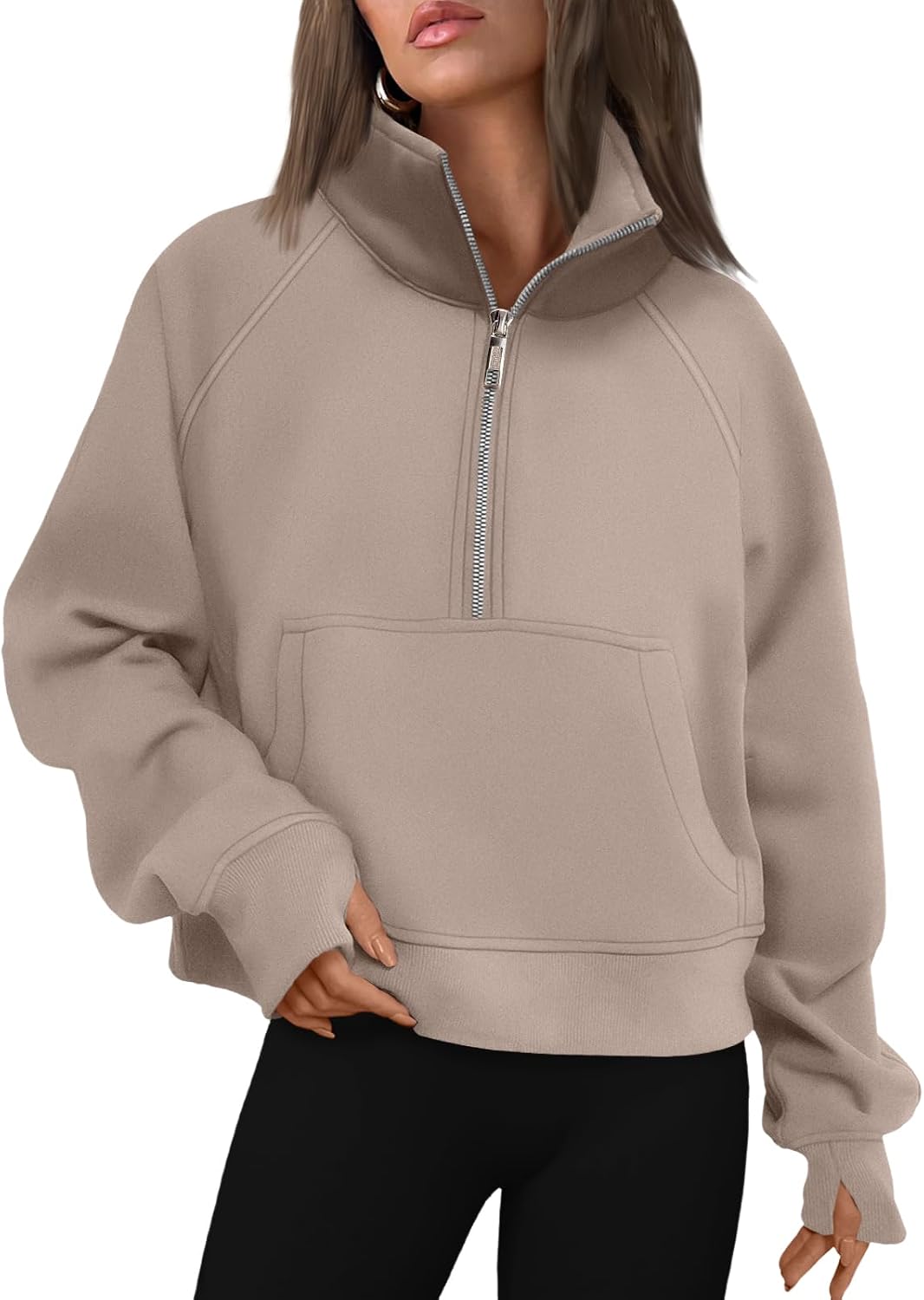
Choosing Loungewear That Holds Its Shape
Loungewear gets worn more often than anything else in a wardrobe and is usually bought with the least attention. A few construction details separate a pair of joggers that still fits in a year from a pair that sags by the second month.
The waistband is the whole garment
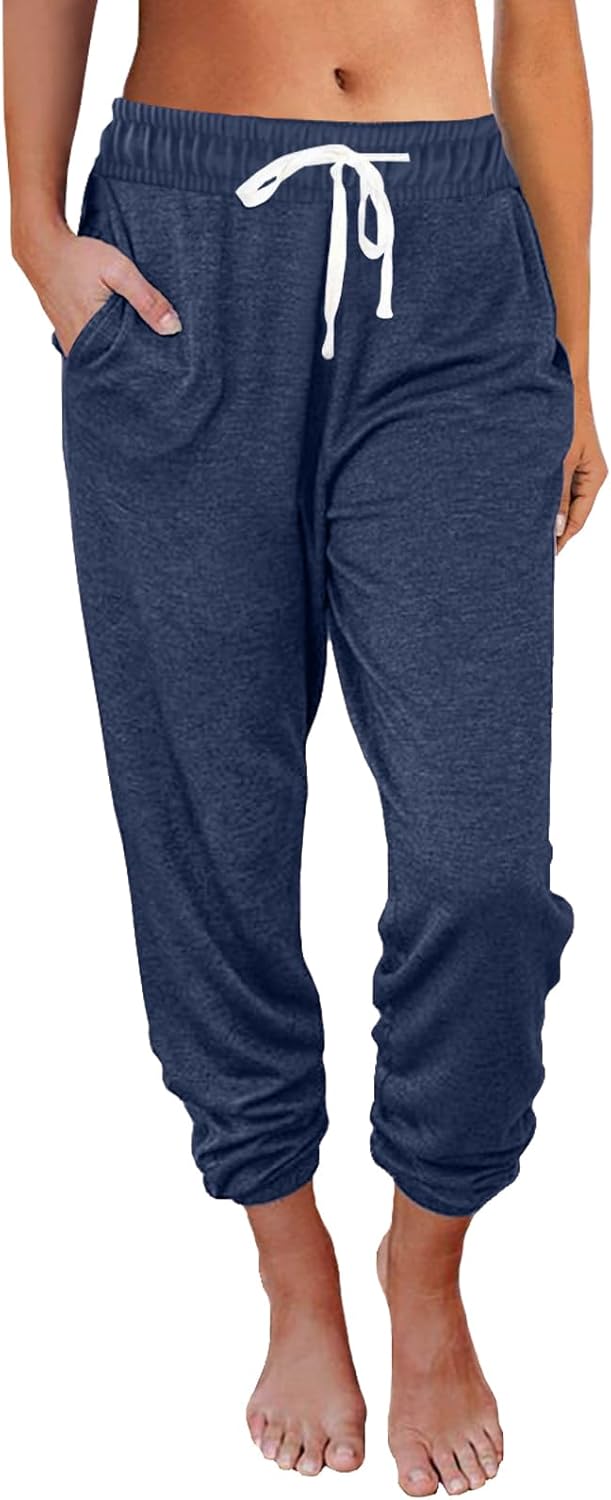
A waistband with elastic fully enclosed in a casing and a functioning drawcord will outlast one with a thin elastic strip stitched flat to the fabric. The enclosed version distributes tension over a wider band and cannot roll.
Look for a waistband deep enough to sit flat — around one and a half to two inches. Narrow bands dig in and roll over, and once an elastic has been folded repeatedly it does not recover.
Pockets that are actually usable
Side-seam pockets are common because they are cheap to construct, but the seam has to carry the weight of whatever you put in them. A pocket bag stitched into a reinforced seam will hold a phone; one stitched into a plain overlocked seam will eventually pull.
Check that pockets lie flat when empty. A pocket that gapes at the hip with nothing in it will gape more once the fabric has relaxed.
High-waisted only works with the right rise
High-waisted lounge pants sit at or above the natural waist, which is comfortable if the rise measurement matches your torso and uncomfortable if it does not. The rise is measured from the crotch seam to the top of the waistband.
Compare that number to a pair you already wear. A rise two inches longer than what you are used to will feel like it is riding up all day, no matter how the waist measurement compares.
Wide leg versus tapered: fabric decides
A wide-leg lounge pant needs fabric with drape to hang properly. In a stiff cotton twill the leg stands away from the body and looks boxy; in a viscose blend or a soft brushed knit it falls.
A tapered jogger is more forgiving of fabric weight because the cuff controls the shape. If you are buying wide leg online, the fibre content is doing more work than the photograph.
Seams, hems and the twist problem
Leg twist — where the side seam gradually spirals towards the front — is a construction and finishing issue, not something you caused. It comes from fabric that was not stabilised before cutting, and washing will not fix it.
You cannot detect it before purchase, but you can return it. It is a genuine manufacturing fault rather than a fit preference, and it is worth flagging rather than living with.
What good loungewear costs you in care
Almost nothing, if you wash cold and skip the hot dryer. Heat is what kills the elastane in the waistband and the cuffs, and that is the component that fails first in every pair of joggers ever made.
Cold wash, low or no heat drying, and a pair of lounge pants will hold its shape for as long as the fabric lasts.
Fabric weight, measured in GSM
Where a maker publishes a fabric weight in grams per square metre, it is worth reading. Lightweight lounge fabric sits around 180-220 GSM and is suited to warm rooms and summer. Mid weight is roughly 240-300 GSM, which is the everyday range. Anything above 320 GSM is a heavy brushed fleece for genuinely cold rooms.
Weight also predicts opacity. Light-coloured lounge pants below about 200 GSM are often more sheer than the photograph suggests, particularly across the seat when seated.
Care that protects the fit you paid for
Wash inside out on cold, on a normal rather than a heavy cycle, and either line dry or tumble on low. If the pair has a drawcord, tie it loosely before washing so it does not pull out of the casing, which is tedious to rethread.
Avoid folding joggers along the same crease every time. A permanent crease line at the knee is not a fabric fault; it is repeated pressure in the same place, and rotating the fold prevents it.
Where to go next
Our loungewear listings carry the maker's rise and inseam measurements. Free US shipping over $49.
Shop Loungewear
Related articles